Maryam Saleh returns with an anthemic collaboration with Hello Psychaleppo

May 25, 2023

“Baghanny” out on all platforms Thursday 25 May 2023 
Egyptian singer Maryam Saleh strikes an irreverent but introspective tone on her new single “Baghanny” as she ponders the challenges of a creative life. “Every time I sing, I find / I raise my voice, the more I raise, the more I find… I find that my voice is not my own,” she sings in Egyptian Arabic over a synthpop beat laid down by Syrian producer Hello Psychaleppo. It’s a powerful sentiment coming from a beloved icon of alternative Arabic music, who has explored countless creative directions in her career. Saleh wrote the track’s lyrics, and in a few lines she alludes to a lot of complex feelings—of being responsible to your fans, of facing down critics, of looking for a new creative spark. In the end, she can’t help but continue with her lifelong passion: “Despite myself, I want to sing.” 


And sing Saleh does on this candy-coloured earworm. Hello Psychaleppo is best known for his electronic take on
Tarab music from Arabic classical tradition, and here the duo structure their lyrics and riffs around a genre of lighthearted songs called the taqtoqa. The beatmaker infuses his whimsical, four-to-the-floor builds with ebullient Arabic synth phrasings and rhythmic syncopations. “Baghanny'' takes a breezier turn compared to some of his past work, with a drum machine that clicks together like clockwork. But then he delivers a dose of pure joy with an anthemic hook that can easily get stuck in your head long after the track has come to an end. Naturally, Saleh is a game collaborator, her yearning refrains giving the club-friendly groove a human touch. 


Maryam Saleh habitually pushes the boundaries of Arabic music. A luminary of Egypt’s alternative music scene, she delivers a savvy mix of old and new, infusing
shaabi and folk styles with innovative techniques and fearless personality. Once described as a “musical supernova” by Scene Noise, Saleh is a singer, composer, actor, and poet. As the teenage frontwoman of the band Gawaz Safar in the early 2000s, she revived the decades-old protest songs of folk legend Sheikh Imam for a younger audience. She broke new creative ground with the dizzying electro beats and sarcastic poetry of 2015’s Halawella, a critically-acclaimed album she recorded with Soap Kills Zeid Hamdan. In 2017, she boosted her profile even further across the Middle East, North Africa and Europe with Lekhfa, an opus of haunting lyricism and transcendent psychedelia made in collaboration with musicians Tamer Abu Ghazaleh and Maurice Louca and poet Mido Zoheir. Since the late 2000s, she has also taken on memorable roles in TV, theatre, and film—including Ibrahim El-Batout’s Ein Shams (2008) and Tamer El Said’s In the Last Days of the City (2016). 


Hailing from one of the most musically rich cities in the Levant, Hello Psychaleppo is the brainchild of pioneering Syrian music producer and visual artist Samer Saem Eldahr. Deeply rooted in Arabic music, Hello Psychaleppo’s work captivates listeners with melodic strains of Tarab threaded seamlessly with his distinct strain of electronic music.


Hello Psychaleppo’s first album “Gool Lʼah”, pioneered the genre of Electro-Tarab, with his productions gaining a significant following both in the Arab World and internationally. Described by VICE Magazine as “a pastiche of twitchy electronic sounds and golden age Arab pop music of the 1950s and 60s… alternately danceable and cathartic, melancholic and apocalyptic.” Since his seminal 2013 release, Hello Psychaleppo has released two full albums, “HA”  (2014) and “Toyour” (2017), the EP “Jismal” (2021) alongside a wide array of collaborations with artists such as Bu Nasser Touffar, El Far3i and Nass El Hal and most recently with Turkish pop artist Mabel Matiz.


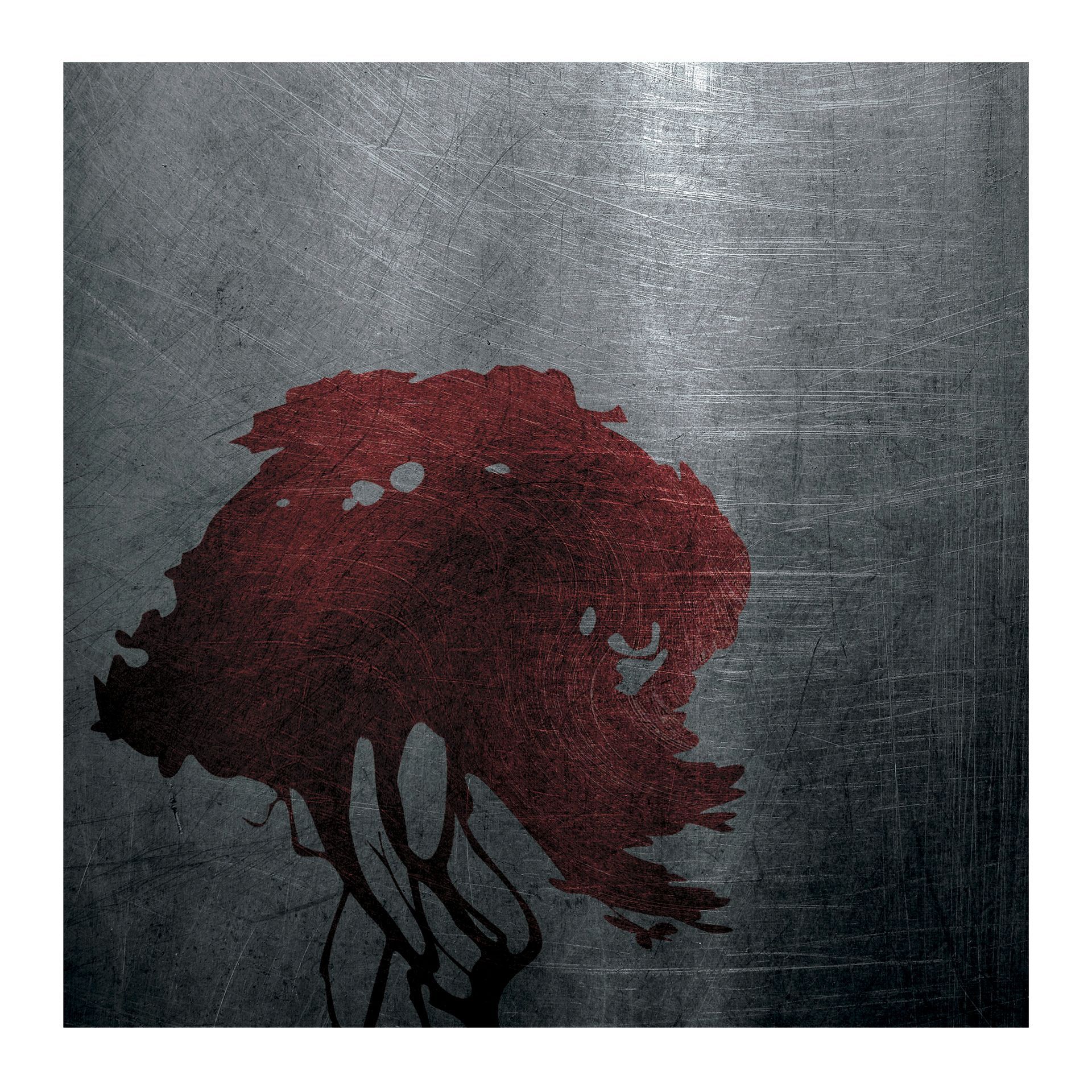
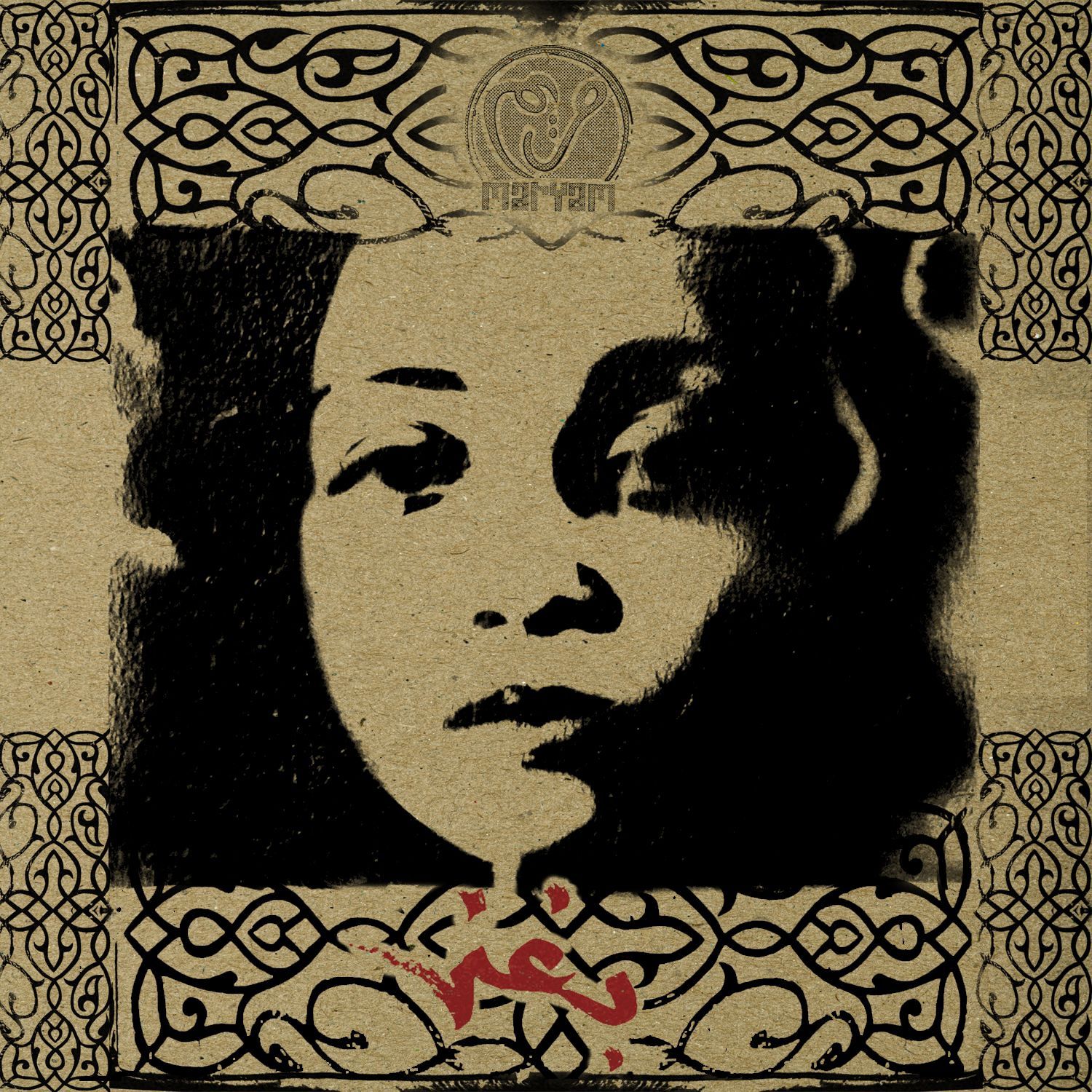
“Baghanny” is written and performed by Maryam Saleh, composed by Tamer Abu Ghazaleh, and produced and mixed by Hello Psychaleppo. Mastered by Josh Bonati with an artwork play on her debut record “Mesh Baghanny”, by Omar Mostafa.


For more information contact Simsara Music / sarah@simsara.me


NOTES TO EDITORS


Maryam Saleh biography 


Born and raised in Old Cairo, Saleh grew up surrounded by art and music. Her father,
Saleh Saad, was a prominent playwright and theatre director, and Maryam was just nine years old when he recruited her to join his innovative theatre company. Rather than stage productions in a playhouse, the group roved across the country to put on free shows on the streets of villages and small cities. Maryam often took on the role of the Farfour, a clown character who guides the story along in the manner of the Harlequin comic servant from Italy’s commedia dell'arte. The idea of the clown—as an entertainer, mischief-maker and cultural commentator—has played a recurring role in Saleh’s art ever since. 


Saleh’s mother, Amany Ibrahim, was a singer and an actor who hipped her at a young age to a potent mix of sounds—everything from the groundbreaking work of Palestinian band
Sabreen and Lebanese composer Marcel Khalife to the pop classics of Kadim Al Sahir and Samira Said. Saleh’s family frequently hosted musical gatherings at their home in Old Cairo, and Sheikh Imam would regularly drop by with his oud to perform alongside his longtime collaborator, the peoples’ poet Ahmad Fouad Negm. Saleh’s mother regularly performed with Imam, and in the years before his passing in 1995, the blind songsmith also regularly sang at young Maryam’s birthday parties. 


During their heyday in the 1960s and ’70s, Imam and Negm were infamous for their mocking odes to venal politicians and propaganda spectacles. As a little kid, Saleh found a childlike appeal in the duo’s barbed comedic wordplay and simple, chantable melodies. Her destiny as a future champion of their populist repertoire was sealed one morning, when she woke up and started singing a song that she insisted she’d written in her dreams—only to be told by her parents that it was a Sheikh Imam tune he’d been singing the night before. 


Today you can hear echoes of Saleh’s creative upbringing through her muscular voice, rebellious lyrics, and charismatic stage presence. Although she has received some training in classical Arabic forms, she often minimises the ornamental formalities of traditional Arabic singing (or does away with them entirely) in favour of a direct, soulful style. Her songs are full of intensity and introspection, but like Imam, she also dishes out irreverent humour and jabs at critics—most notably on her 2012 debut album,
Mesh Baghanny (I Don’t Sing), whose title alone dismisses critiques of her unique style. “I don’t sing, I don’t say, I don’t sleep, I don’t rise,” she declares on the album’s defiant title track. Over dramatic piano and fuzzy rock guitar, she defines who she is by tossing out a confetti of contradictions and superlatives: “I’m especially and basically, I’m everything and every day.” 


Saleh started focusing on music in the early 2000s. Hanging out in downtown Cairo, the high-school phenom ditched the private tutoring her parents sent her to and used money to pay for the lessons to instead go to shows and fund projects. She formed an impromptu band that played a variety of regional folk songs and then launched Gawaz Safar (Passport in Arabic). In 2003, she secured her place as a key member of the Cairo scene—and won over her increasingly nervous parents in the process—with two breakthrough Gawaz Safar performances at the newly-opened venue El Sawy Culture Wheel. 


The budding star faced a devastating setback in 2005 when her father was killed in a fire during a theatre performance at a playhouse in the city of Beni Suef. The catastrophic accident took the lives of dozens of members of Egypt’s theatre community, and Saleh went silent for two years, paralyzed with grief. Gradually, she turned back to the theatre and other creative pursuits. She found a second home as a member of
El Warsha Theatre Troupe, with whom she immersed herself in a repertoire of Egyptian folkloric performances and poetry. She also formed the band Baraka to feed a growing interest in psychedelic rock. While she continued playing Sheikh Imam’s songs, she also began writing her own, working with the poets Mido Zoheir and Omar Mostafa to set their lyrics to music. 


In the early 2010s, Saleh’s musical pursuits reached even greater heights when she struck up collaborations with Tamer Abu Ghazaleh (a Palestinian, Egypt-based composer and
oud and buzuq player) and Zeid Hamdan (a Lebanese producer best known as co-founder of the trip-hop duo Soap Kills). Working with them and others, Saleh has been able to focus in on different facets of her many talents. Halawella includes electro-pop reinventions of Sheikh Imam and Ahmad Fouad Negm’s songs—their brazenly hilarious social commentary resonating anew on a bed of whimsical arrangements and sing-song melodies. Lekhfa, on the other hand, presents lyrical visions of disillusionment and despair even as Saleh, Abu Ghazaleh, and Maurice Louca forge a progressive path through an innovative mix of Arabic instrumentation, electronic grooves, and Saleh and Abu Ghazaleh’s cathartic vocals. 


Further into the 2010s, Saleh joined
Kamilya Jubran’s catalysing workshops for emerging musicians, along with some of her contemporaries such as Nancy Mounir, Nadah El Shazly and Dina El Wedidi. Her relationship with Jubran continues to this date, the latter becoming a crucial mentor in Saleh’s journey as a lyricist and songwriter. 


After a five-year hiatus, Saleh sounds refreshed on her May 2023 single “Baghanny.” The track’s title and cover art serve as a callback to her debut album from over a decade earlier, and the lyrics show Saleh continuing to progress as an artist. She’s resumed writing her own lyrics, and on “Baghanny” she sings about raising her voice and finding her muse. It’s a clear sign that this daring artist has more avenues to explore on her lifelong creative path.
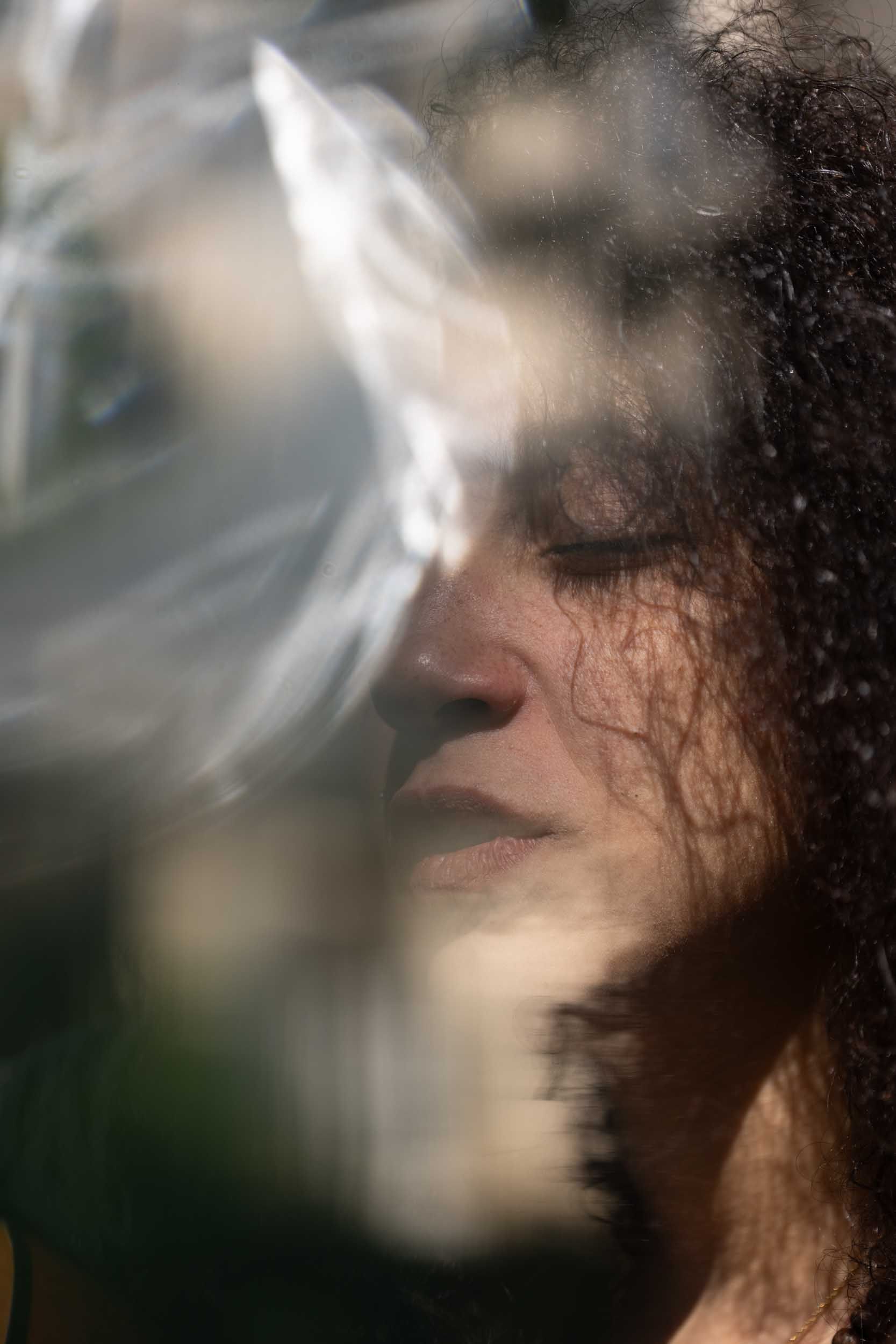
November 23, 2025
يصدر الألبوم كاملاً في ٢٧ مارس ٢٠٢٦ عبر تسجيلات سمسارة تُعلن تسجيلات سمسارة عن ألبوم "سِرّ" للفنانة المصرية مريم صالح في السابع والعشرين من مارس ٢٠٢٦. الألبوم رحلة صوتية ومشاعرية عميقة تنطلق من الذاكرة والفقد والتحوّل. تبني مريم بكلماتها وألحانها عالمها الموسيقي لتحكي لنا تشكل وعيها وكينونتها. بحثاً دوماً عن المعنى واتساع الرؤية خاضت مريم صالح خلال السنوات الماضية للمرة الأولى تجربة كتابة كلمات ألبوم بأكمله وصفت في مراحله الثلاث تفكك الذات وإعادة صياغتها وسمت كل مرحلة باسم يعكس تجربتها وما مرت به: المرحلة الأولى: الأصل والصورة، والثانية: المركبة، والثالثة والأخيرة حدس وصدى. "الكتابة هنا ليست تدويناً، بل نبضٌ خاص يحاول أن يحفظ المشاعر قبل أن تذوب في الضجيج. كان الفقد بداية— ثم طاقة محركة— ثم صدى يتسلل بين الكلمات، يصنع توازناً بين العفوي والمدروس. ثلاث سنوات من الإصغاء، من المراجعة والانقطاع والعودة، من تفكيك النصوص وإعادة صياغتها بشكل أنقى. سِرٌ هو الامتداد الطبيعي لهذه الرحلة: صوت يلتقي بالكلمة، باللحن، بالصورة— حتى يصبح كل تفصيل شاهداً على الطريق." مريم صالح أما الألحان فهي مستوحاه من القوالب الغنائية التراثية المصرية والعربية مثل الموال، التهويدة، الطقطوقة، المديح، الموشح، النشيد، العدودة، والدور. تفاعلت الألحان مع الإلهام لتقدم القوالب بصياغة جديدة. بعد أن لحنت مريم الأغنيات طورت الموسيقى خلال جلسات كتابة وتلحين طويلة ومتأنية، عملت خلالها مريم بمرافقة كاميليا جبران الفنية قبل الدخول إلى مرحلة التسجيل. شارك مريم صالح في الإنتاج الموسيقي كل من موريس لوقا الذي سبق وتعاونت معه في ألبوم الإخفاء و كاميليا جبران، التي تعزف أيضًا العود في ألبوم سِرٌ وتشترك في غناء البطانة. فكان ثلاثتهما فريق عمل يخرج الرؤية الفنية لكل الألبوم. الهندسة الصوتية والمكساج قام بهما مختار السايح - كايروجرووڤ، والماستر أو الإتقان تم على يد هبة قدري. فوتوغرافيا الغلاف بعدسة بولين جوبلان، ومعالجة الصورة لـ عمر مصطفى، والتصميم الفني لـ سيكو طاطور – أستوديو موني. تنسيق الرؤية البصرية ستوديو الفرجة، رسومات الألبوم بيد ماجد السكري، تحريك الرسم/الأنيميشن قام به يوسف آدم وتصوير الفيديو تم بعدسة محمود لطفي. ترجمت ناريمان يوسف كلمات الأغاني من العربية الى الانجليزية. الألبوم من إنتاج سمسارة للموسيقى بدعم من الصندوق العربي للثقافة والفنون آفاق. الأغنية المنفردة الأولى — ٢٣ نوفمبر ٢٠٢٥ الفطرة أولى أغاني الألبوم هي الفطرة من مرحلة أصل وصورة في قالب الطقطوقة المصرية—وهو غناء خفيف يعتمد على تكرار اللازمة وتنوّع الكوبليهات. الأغنية من كلمات وتلحين مريم صالح. واشترك في الإنتاج الموسيقي موريس لوقا والوايلي، في جمعٍ موفَّق بين البنية الشعبية والصوت المعاصر. كتابة ولحن: مريم صالح إنتاج مشترك: مريم صالح – موريس لوقا – الوايلي توزيع: مريم صالح و موريس لوقا غناء: مريم صالح كيبورد: موريس لوقا تشيلّو: زيزي إبراهيم درامز: ديلان هانتر تشي جرين إيقاعات: جوس تورنبل باص: محمود والي السيرة الذاتية — مريم صالح تُعدّ مريم صالح أحد أبرز الأصوات التي دفعت الموسيقى البديلة في مصر والمنطقة العربية إلى آفاق جديدة. صوتها قوي ومباشر، يمزج بين الشعبي والفولك والتجريب، ويُعبّر بوضوح عن حضور شخصي وإنساني لافت. نشأت مريم في بيت فني وسط القاهرة: والدها المخرج المسرحي صالح سعد حيث أخذت اولى خطواتها المسرحية مع فرقته السرادق مؤدية دور المهرج وهي في التاسعة من عمرها، ووالدتها المطربة أطلعتها على طيف واسع من الموسيقى العربية. وكان الشيخ إمام وأحمد فؤاد نجم يحضران بانتظام إلى منزل العائلة في جلسات موسيقية حميمة؛ وقد أثّر هذا الإرث بعمق على رؤيتها الفنية. بدأت صالح التركيز على الموسيقى في أوائل الألفية الثانية. وبينما كانت تقضي وقتها في وسط القاهرة، تخلت الفنانة الشابة عن الدروس الخصوصية واستخدمت المال للذهاب بدلاً من ذلك إلى العروض و لتمويل مشاريعها الفنية. شكلت فرقة ارتجالية عزفت مجموعة متنوعة من الأغاني الشعبية الإقليمية، ثم أطلقت فرقة جواز سفر حيث قدّمت أغاني الشيخ إمام لجمهور جديد. في عام 2003، اكتسبت مكانتها كعضو رئيسي في المشهد الفني في القاهرة بعرضين مميزين لفرقة جواز سفر في ساقية الصاوي الثقافية التي افتُتحت حديثًا. أسست فرقة "بركة" لتُغذي اهتمامها المتزايد بموسيقى الروك السايكدلية. وبينما واصلت عزف أغاني الشيخ إمام، بدأت أيضًا في تأليف أغانيها الخاصة، حيث تعاونت مع الشاعرين ميدو زهير وعمر مصطفى في تلحين كلماتها. أطلقت أول ألبوم منفرد لها "مش بغني" في ٢٠١٢. وفي عام ٢٠١٥ أطلقت ألبوم "حلاويلا" بالتعاون مع المنتج اللبناني زيد حمدان، الذي مثّل محطة فارقة في مسيرتها. ثم قدّمت ألبوم "الإخفاء" عام ٢٠١٧ مع الفلسطيني تامر أبو غزالة و المصري موريس لوقا والشاعر ميدو زهير، وهو عمل ترك أثرًا كبيرًا في المشهد الموسيقي البديل. في عام ٢٠٢٣، عادت بأغنية "بغنّي" بالتعاون مع المنتج السوري هالوسايكاليبو التي مثّلت مرحلة جديدة في كتابتها وصوتها. ويأتي ألبوم "سِرّ" ليواصل هذا المسار ويطوّره. طاقم عمل المشاركين في ألبوم "سِرّ" كتابة الكلمات: مريم صالح التلحين: مريم صالح (بالاشتراك مع كاميليا جبران في بعض الاغاني) التوزيع: مريم صالح و موريس لوقا الإنتاج الموسيقي المشترك: مريم صالح، موريس لوقا، كاميليا جبران (بالاشتراك مع الوايلي ونانسي منير في بعض الاغاني) الإنتاج التنفيذي الإبداعي: سارة المنيّاوي (سمسارة للموسيقى) مي مصطفى (سمسارة للموسيقى) الإشراف الفني على الكتابة والتلحين والصوت: كاميليا جبران (زمكنة) هندسة التسجيل: مختار السايح أحمد كارم النقيب التسجيل الحي (لايف): ستوديو كايروجرووڤ — ٢٠٢٥ المونتاج: مريم صالح موريس لوقا أحمد كارم النقيب المكساج: مختار السايح الماستر/ الإتقان: هبة قدري استشارة المكساج: كِنده حسن مساعدو المكساج: سمية حسّب الله أحمد كارم النقيب الشركة المنتجة: سمسارة للموسيقى الناشر: تسجيلات سمسارة تاريخ الإصدار: ٢٧ مارس ٢٠٢٦
November 23, 2025
A mythic and introspective work, Syrr (Arabic for “secret”) transforms memory, loss, and lived experience into a shifting world of sound, voice, and embodied emotion. Written and composed by Maryam Saleh, a luminary of Egypt’s alternative music scene, the album traces a journey in which the self is fractured, questioned, reassembled, and ultimately expanded. Blending raw lyrical expression with subtle dramatics, Saleh crafts an immersive sonic autobiography rooted in intuition, embodiment, and human becoming. “Writing, for me, was not merely inscription, but a way toward understanding. A search for a private pulse that could hold feeling before it dissolves into noise. Loss began as the first crack, then became a current of energy, and finally an echo that runs between the words— balancing what is spontaneous with what is deliberately remade. Three years of listening, returning, revising, breaking open the text and re-forming it until it revealed itself more clearly.” Maryam Saleh Co-produced by Maryam Saleh, Maurice Louca, and Kamilya Jubran—who also perform keys, oud & backing vocals respectively throughout—the album’s songs are influenced by existing Egyptian and Arabic song forms (including the mawwal, lullaby, madih, muwashshah, taqtuqa and more). The project underwent a rigorous three-year journey of songwriting and composition by Saleh with Kamilya Jubran as mentor before recording. “Syrr” is mixed by Mokhtar El Sayeh and mastered by Heba Kadry, with artwork by Pauline Gouablin (photography), Omar Mostafa (image editing and treatment), and Siko Tatour of Mooni Studio (design). The album’s visual world features hand-drawn illustrations by Maged El Sokkary, animated by Yousef Adam and video footage shot by Mahmoud Lotfi. Lyrics translation from Arabic to English by Nariman Youssef. It was produced by Simsara Music with support from the Arab Fund for Arts and Culture (AFAC). -----First Single: “El Fetra” — Out 23 November 2026 Born from the Egyptian taqtuqa song form—light, popular Arabic vocal music built on strophic verses and a repeating chorus—the first single is written and composed by Maryam Saleh as a meditation on her evolving relationship to instinct and intuition. Co-produced with standout Egyptian musicians/producers Maurice Louca and El Waili, the track bridges traditional popular structures and contemporary production aesthetics and instrumentation. Single Credits: Vocals: Maryam Saleh Keys: Maurice Louca Cello: Zizi Ibrahim Drums: Dylan Hunter Chee Greene Percussions: Joss Turnbull Bass: Mahmoud Waly -----Artist Biography: Maryam Saleh Maryam Saleh habitually pushes the boundaries of Arabic music. A luminary of Egypt’s alternative music scene, she delivers a savvy mix of old and new, infusing shaabi and folk styles with innovative techniques and fearless personality. Once described as a “musical supernova” by Scene Noise, Saleh is a singer, composer, actor, and poet. As the teenage frontwoman of the band Gawaz Safar in the early 2000s, she revived the decades-old protest songs of folk legend Sheikh Imam for a younger audience. Her debut album, Mesh Baghanny, is considered a landmark of Egypt’s bustling underground scene of the 2010s. She broke new creative ground with the dizzying electro beats and sarcastic poetry of 2015’s Halawella, recorded with Soap Kills’ Zeid Hamdan. In 2017, she expanded her reach with Lekhfa, a collaboration with Tamer Abu Ghazaleh, Maurice Louca, and poet Mido Zoheir. She has also taken on memorable roles in TV, theater, and film. Born and raised in Cairo, Saleh grew up surrounded by art and music. Her father, Saleh Saad, was a playwright and director who brought her into his street theatre troupe at age nine. Her mother, a singer, immersed her in a potent spectrum of Arab music. Frequent gatherings—often featuring Sheikh Imam and Ahmad Fouad Negm—shaped her artistic instincts. Saleh started focusing on music in the early 2000s. Hanging out in downtown Cairo, the high-school phenom ditched the private tutoring her parents sent her to and used money to pay for the lessons to instead go to shows and fund projects. She formed an impromptu band that played a variety of regional folk songs and then launched Gawaz Safar (Passport in Arabic). In 2003, she secured her place as a key member of the Cairo scene—and won over her increasingly nervous parents in the process—with two breakthrough Gawaz Safar performances at the newly-opened venue El Sawy Culture Wheel. She also formed the band Baraka to feed her growing interest in psychedelic rock. While she continued playing Sheikh Imam’s songs, she also began writing her own, working with the poets Mido Zoheir and Omar Mostafa to set their lyrics to music. In 2012, she released her debut album Mesh Baghanny, an iconic record that cemented her status as the punk rebellious voice of the Egyptian underground. Saleh’s musical pursuits reached even greater heights when she struck up collaborations with Tamer Abu Ghazaleh (a Palestinian, Egypt-based composer and oud and buzuq player) and Zeid Hamdan (a Lebanese producer best known as co-founder of the trip-hop duo Soap Kills). Working with them and others, Saleh has been able to focus in on different facets of her many talents. Halawella includes electro-pop reinventions of Sheikh Imam and Ahmad Fouad Negm’s songs—their brazenly hilarious social commentary resonating anew on a bed of whimsical arrangements and sing-song melodies. Lekhfa, on the other hand, presents lyrical visions of disillusionment and despair even as Saleh, Abu Ghazaleh, and Maurice Louca forge a progressive path through an innovative mix of Arabic instrumentation, electronic grooves, and Saleh and Abu Ghazaleh’s cathartic vocals. -----Full Album Credits — Syrr Written by: Maryam Saleh Composed by: Maryam Saleh (in collaboration with Kamilya Jubran on 4 tracks)Arrangements by: Maryam Saleh & Maurice Louca Arranged by: Maryam Saleh & Maurice Louca Co-Produced by: Maryam Saleh, Maurice Louca, Kamilya Jubran (co-production with Nancy Mounir on one track and El Waili on El Fetra) Creative Production: Sarah El Miniawy and May Mostafa (Simsara Music) Mentoring (writing, composition & vocals): Kamilya Jubran (Zamkana) Mixed by: Mokhtar El Sayeh Mastered by: Heba Kadry Mixing Consultant: Kinda Hassan Assistant Mix Engineers: Somaya Hassaballa & Ahmed Karem Alnaqieb Mastering Assistant: Jacob Clements Recording Engineers: Mokhtar El Sayeh & Ahmed Karem Alnaqieb Recorded Live at: CairoGroove, 2025 Edited by: Maryam Saleh, Maurice Louca & Ahmed Karem Alnaqieb Label: Simsara Records Produced by: Simsara Music Release Date: 27 March 2026
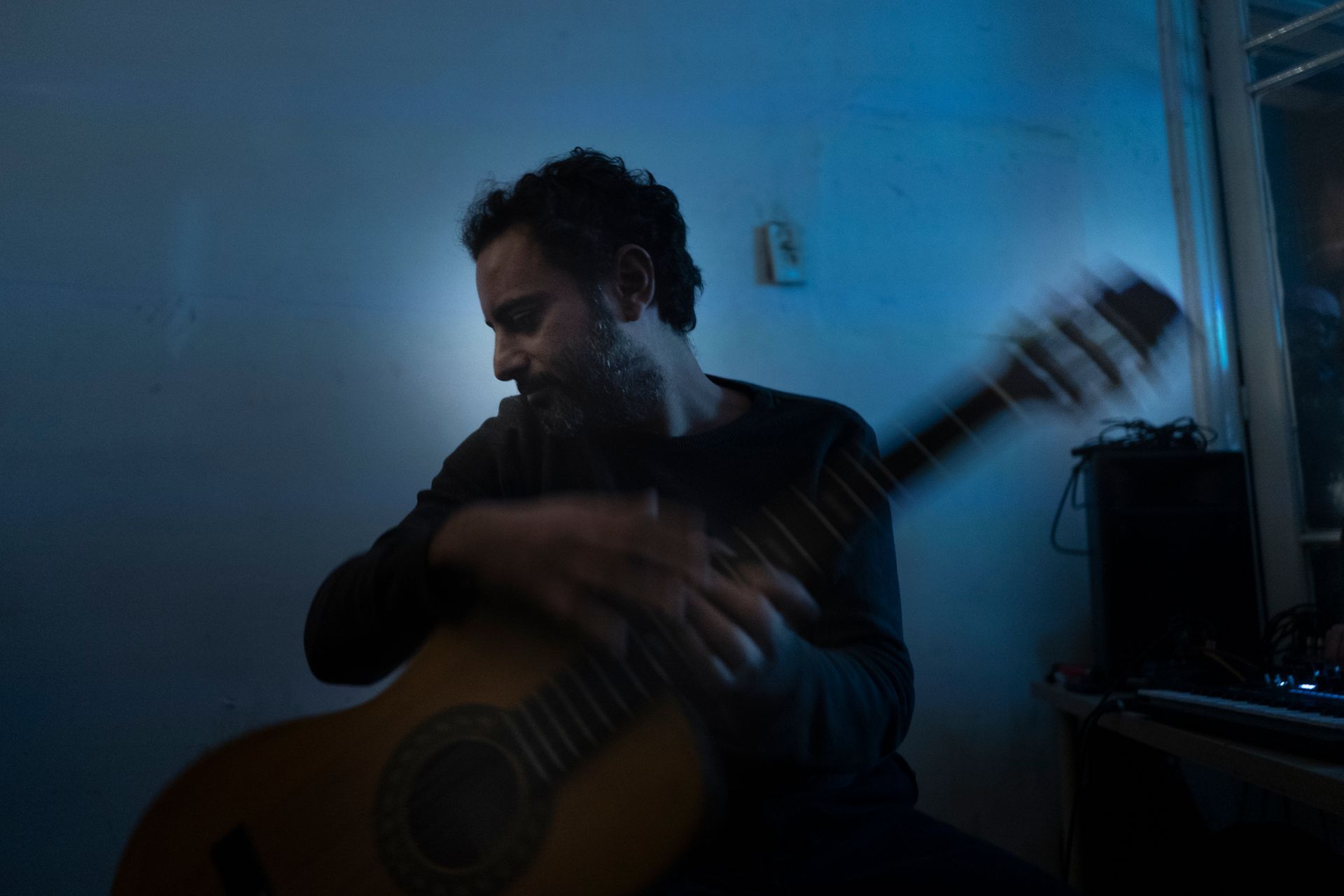
Maurice Louca is playing a guitar in a dark room. Photo by Aalam Wassef
April 21, 2025
Maurice Louca’s FERA OUT 30 MAY 2025 on Simsara Records El Taalab lead track OUT NOW on all platforms Hypnotic polyrhythms play a central role on Fera, creating the pulse for a sound that’s rich in acoustic tonality and lively energy. Louca uses custom-made, microtonal guitars to explore nuanced phrasings, and his languid interplay with violin, synthesizer, and other instruments lead to moments of vivid beauty. This wild and adventurous album that Egyptian artist Maurice Louca wrote over a four-year period takes its title from the Latin root for the word feral, and has its origins in a solo set that Louca first developed in 2019; the compositions eventually took their final shape when he recorded them in a Cairo studio in 2024 with a group of longtime collaborators and guests.
red mangrove tree over grey chrome background
September 10, 2024
Brainchild of British-Egyptian historian Hannah Elsisi (NYU AD, Cambridge), Chromesthesia—aptly named "the colour of sound"— tracks afro-diasporic rhythms from the Whole Mangrove World. Featuring a veritable avengers team of everyone’s favourite producer: Sho Madjozi, Asher Gamedze, Nick León, Deena Abdelwahed, Kelman Duran, GAIKA, Lord Tusk, Covco, Julmud, LYZZA, Maurice Louca, Baby Cocada, 3Phaz, LAFAWNDAH, Double Zuksh, Lamin Fofana, DJ Babatr.
June 5, 2024
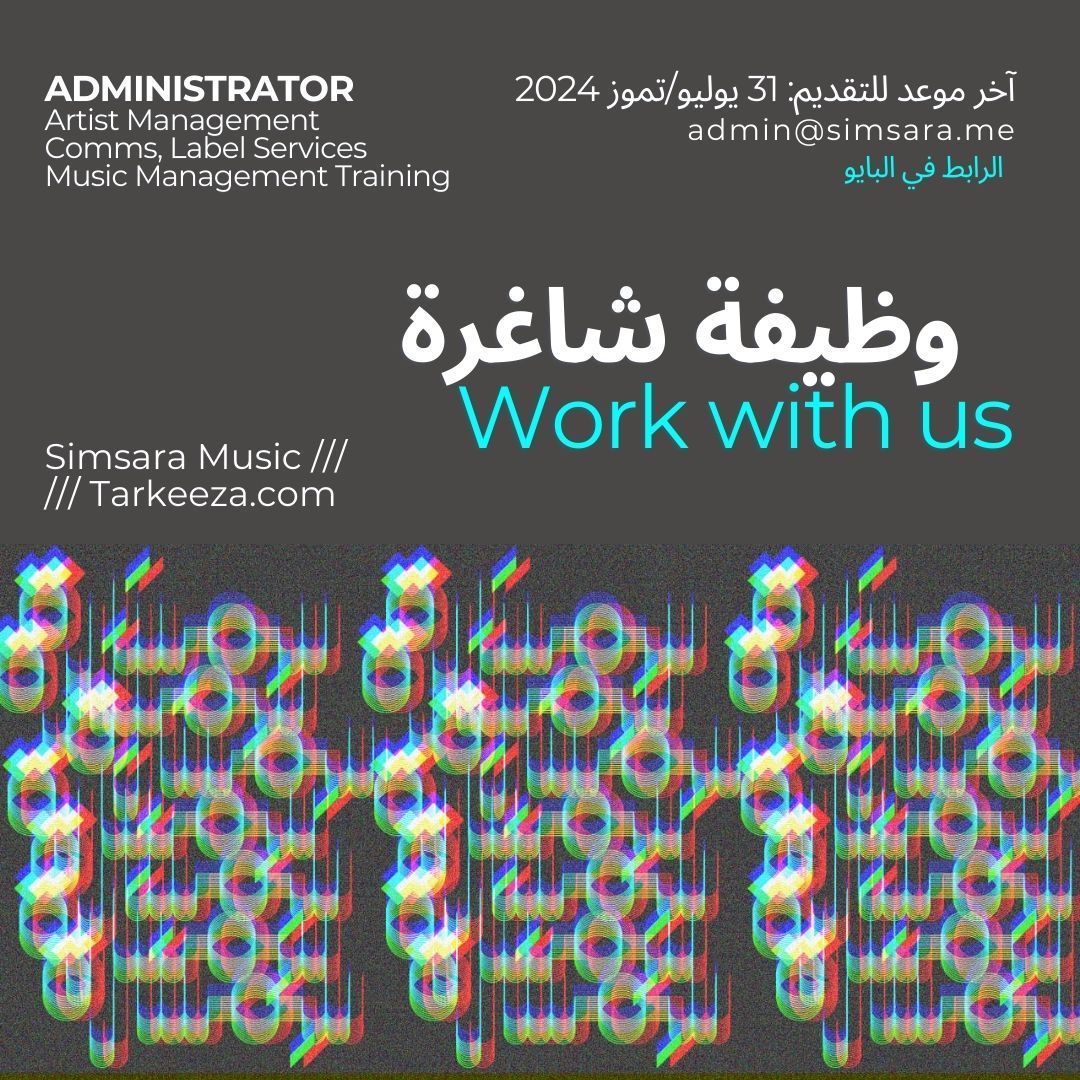
Simsara Music & Tarkeeza: We are looking for a highly organized and self-directed Administrator to join our remote team. You will be the bedrock of our operations, providing a foundation of efficiency and responsiveness that allows us to thrive as a close-knit community of managers, artists and contractors. This is an opportunity to work across the full spectrum of our activities – PR, communications, label services, bookings, publishing, special projects and even music management training - across multiple territories. We're seeking someone who is not easily phased by fast-paced, challenging environments and who can approach obstacles with a driven attitude and a willingness to learn.
July 28, 2023
“Nos Habet Caramel is like mahraganat on ecstasy, a bright and wild coming together of underground and mainstream dance music.” RA
May 25, 2023
«بغني» على جميع المنصات الخميس 25 مايو/أيار 2023
By Sarah El Miniawy March 17, 2023
Baskot Lel Baltageyya (which, loosely translated, means Cookies for Thugs), is a project headed by musician Adham Zidan and poet Anwar Dabbour.
By Sarah El Miniawy April 13, 2022
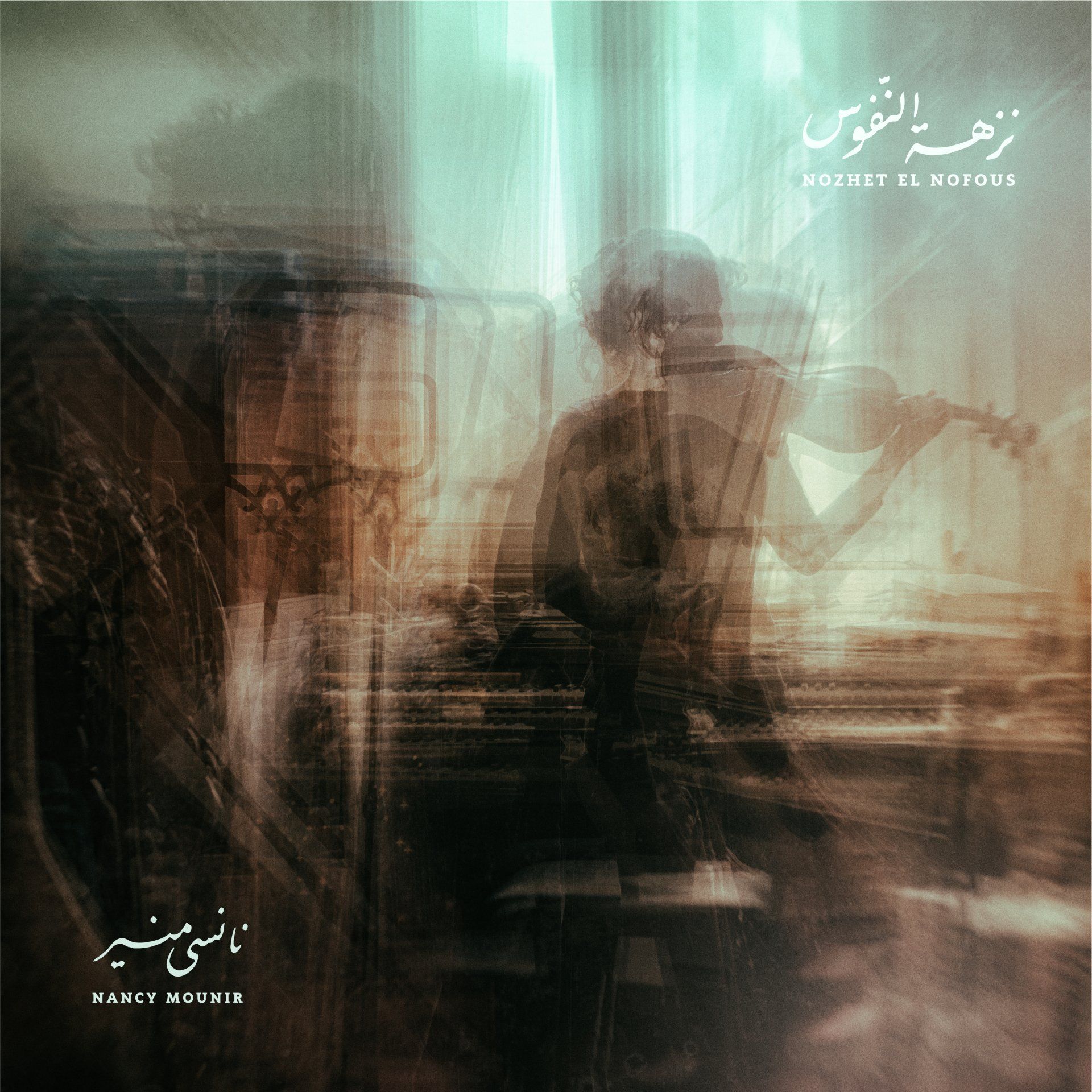
نزهة النفوس لنانسي منير تسجيلات سمسارة الجمعة ٣ يونيو/حزيران ٢٠٢٢ العينة الأولى خفيف خفيف متاحة للإستماع الآن
By Sarah El Miniawy April 13, 2022
Nancy Mounir’s Nozhet El Nofous Simsara Records Friday 3 June 2022 (digital) Autumn 2022 (limited edition vinyl) First single out now!